
6 Signs Your COI Process Is Putting You at Risk



Most teams don’t realize they’re sitting on warning signs until something breaks. The problem isn’t effort — it’s visibility. These are the signs of a risky COI process: messy COI management, a fragile COI management process, scattered COI documentation, and expiring COIs hiding in inboxes or spreadsheets.
When your COI process depends on manual tracking instead of automated COI tracking, staying ahead of insurance requirements becomes a guessing game.
And when you can’t trust your COI records, it becomes harder to maintain compliance, manage vendors, or protect your projects.
Sign #1: COIs Live in Inboxes and Spreadsheets
Why it’s risky:
- Emails get buried.
- Spreadsheets create version control nightmares.
- Data entry errors hide expirations or mismatched details.
Real-world example: A manufacturing firm discovered half its vendors’ COIs were expired — sitting in an old inbox folder. By the time leadership caught on, an uninsured claim had already landed on their books.
What to do: Centralize COIs in one place. Even moving them into a shared drive with consistent naming beats inbox archaeology. Add automated reminders and dashboards as you grow.
Sign #2: Renewal Season = Fire Drill
Why it’s risky:
- Dozens (or hundreds) of policies expire at once.
- Staff spend weeks chasing vendors.
- Errors spike under pressure.
Real-world example: A real estate company lost six weeks of project time because renewal reminders went out too late. Vendors stalled, projects stalled, and leadership lost confidence.
What to do: Automate reminders at least 30 days in advance. Track expirations continuously — not just at renewal. And tier vendor requirements so your team isn’t over-reviewing low-risk partners.
Friendly Insight: If renewal season feels like “compliance finals week,” it’s a sign the system isn’t working for you.
Sign #3: Endorsements Are “Optional”
Why it’s risky:
- COIs summarize coverage, but endorsements prove it.
- Missing endorsements = missing protection.
Real-world example: A subcontractor’s COI showed Additional Insured coverage. But the endorsement only applied to a different jobsite. When a claim hit, the hiring company wasn’t covered.
What to do: Always require copies of endorsements. Train staff on the three essentials: Additional Insured, Waiver of Subrogation, and Primary & Noncontributory.
Friendly Insight: Think of endorsements as the fine print on a concert ticket. The COI says you’ve got a seat — the endorsement tells you if you’re actually in the building.
Sign #4: Exceptions Take Weeks to Resolve
Why it’s risky:
- Vendor onboarding stalls.
- Projects can’t start until exceptions are cleared.
- Frustration builds on all sides.
Real-world example: A construction firm lost $250,000 in liquidated damages because vendor onboarding dragged while COI corrections bounced between broker, vendor, and staff.
What to do: Use smart routing to escalate exceptions automatically. Empower teams to approve small variances quickly. And communicate requirements up front so vendors know what’s expected.
Sign #5: Leadership Can’t See Compliance Health
Why it’s risky:
- Executives don’t know how many vendors are compliant.
- Risk exposure stays hidden until a problem erupts.
- Compliance is viewed as “paperwork,” not strategy.
Real-world example: During an audit, a logistics company couldn’t produce 40% of its COIs. Leadership had no idea compliance was that far behind until the audit failed — costing them their largest client.
What to do: Build dashboards that surface KPIs like:
- Time-to-approve a COI
- Exceptions resolved per week
- Expirations caught before lapse
Share updates in leadership meetings. The more visible compliance is, the more it becomes a trusted part of strategy.
Sign #6: Compliance Feels Like Busywork
Why it’s risky:
- Staff get burned out chasing paperwork.
- Turnover rises.
- Compliance becomes a drain, not a driver.
Real-world example: A compliance admin left mid-renewal season after years of burnout. The company scrambled to cover responsibilities, and gaps multiplied.
What to do: Automate repetitive tasks like requests and reminders. Elevate staff into advisory roles. When compliance is positioned as risk management — not paper management — it transforms morale and retention.
The Bigger Risk: Hidden Costs in COI Process
Each of these warning signs creates ripple effects:
- Financial: Uninsured claims, project delays, turnover.
- Operational: Slower onboarding, bottlenecks, fire drills.
- Reputation: Failed audits, frustrated vendors, shaken client trust.
Hidden costs pile up until compliance itself becomes a liability instead of a safeguard.
From Hidden Liability to Fearless Growth
For too long, compliance has been invisible until it failed. That’s why so many programs feel like paperwork and panic instead of protection and progress.
illumend flips the story. With AI-native compliance, you don’t just patch the warning signs — you prevent them. You turn risk into confidence, busywork into strategy, and compliance into a lever for fearless growth.
Because compliance isn’t paperwork anymore. It’s protection. It’s progress. It’s part of your growth story.
The next uninsured third-party partner won't announce themselves.
illumend catches the gap.
You save the project.
Blog & Insights


Building a COI Tracker with AI: What It Takes, and What It Misses

How Much Does COI Tracking Software Cost?

illumend vs. Billy: which one gets your whole vendor base compliant?

illumend vs. Jones: Which COI tracking platform actually gets your partners to compliance?

AI-First vs Humans-First COI Software: Key Differences

How do you modernize your COI tracking program?

COI Compliance Software ROI: How to Make the Case to Your Leadership Team

How to Evaluate AI-Powered COI Compliance Software: 10 Questions That Matter

Who Bears the Risk When AI COI Compliance Software Gets It Wrong?
.webp)
A Guide To COI Tracking For Property Management
.webp)
How To Track Insurance Policies: A Guide

Best Software for Contractor Insurance Compliance in 2026: 7 Options Compared
illumend vs TrustLayer (2026): COI Compliance Software Compared

Why illumend Is Different: Moving Beyond the Outdated Compliance Model

Why AI Is the Future of Compliance
%20Software%20In%202026.webp)
How To Choose COI Tracking Software in 2027: A Buyer's Guide

The Cost of Manual COI Tracking: The True Guide

What Are the Best AI-Powered COI Tracking Software Options?

The AI Advantage: How Smart Tech is Changing COI Review Forever

The 3 Paths to COI Review: In-House, Outsourced, or AI
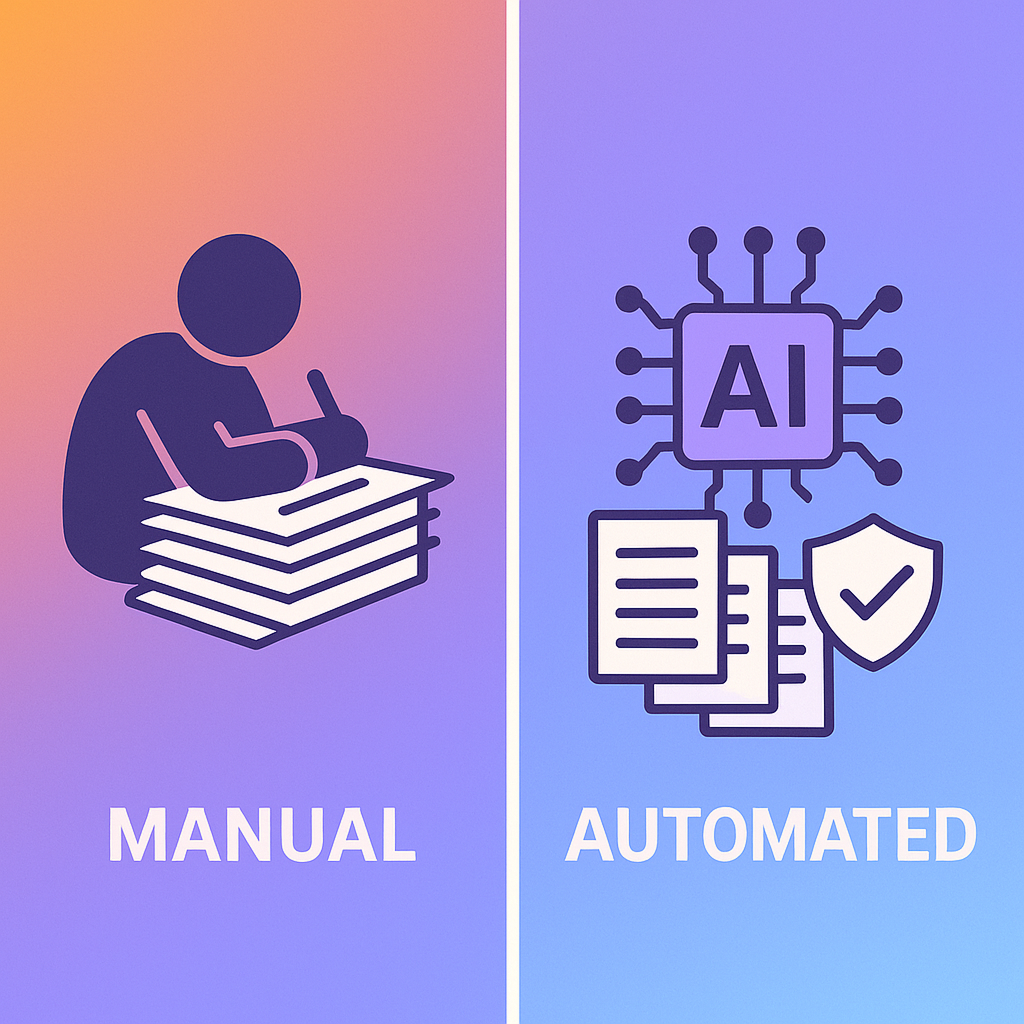
Manual vs. Automated COI Review: What You Gain (and What You Risk) With Each Approach
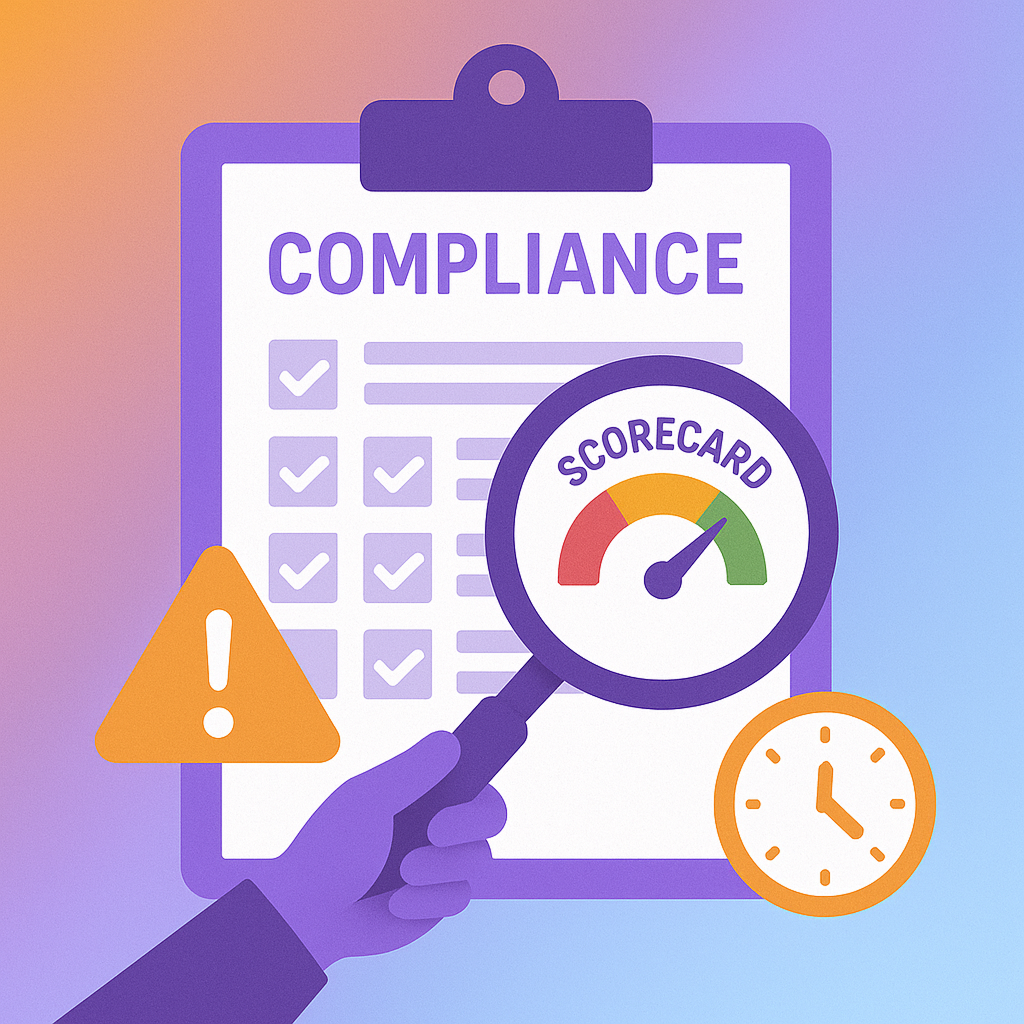
COI Compliance Scorecard: Where Does Your Process Stand?

Broker Myths: “But Our Broker Handles This…” (and Other Misconceptions)
5 Trends Shaping the Future of Compliance (and What They Mean for COI Management)

You don't have to understand insurance to be good at compliance.
With Lumie, compliance is covered. So is everyone on your project.

Get The Lantern
.avif)