
The 3 Paths to COI Review: In-House, Outsourced, or AI


Option 1: In-House Review
How it works:
Internal staff send COI requests to vendors. Responses trickle in. Admins review dates, names, and endorsements line by line. Expirations are logged in spreadsheets or shared drives. Renewal reminders go out manually.
What you gain:
- Full control. You own the process end-to-end.
- Direct visibility. Staff see every COI that comes in.
- Custom knowledge. Your team understands your contracts and risk profile better than anyone.
What you risk:
- Hidden costs. Salaries, time, and opportunity cost add up. If an admin spends 20 hours/week on COIs, that’s 1,000+ hours a year.
- Human error. Expired policies, mismatched names, or missing endorsements slip through.
- Burnout. Renewal season often turns into survival mode.
- Limited scalability. As vendor counts grow, processes collapse under pressure.
Scenario: Picture a compliance admin juggling a spreadsheet with 500 rows of vendor data. Each row has a different expiration date. A single line gets missed, and suddenly a vendor on a multimillion-dollar project is uninsured. That’s the risk with in-house systems: control comes at the cost of time, scale, and sanity.
Option 2: Outsourced Review
How it works:
Brokers or third-party services handle COIs on your behalf. They send requests, chase vendors, review certificates, and report back.
What you gain:
- Less admin burden. Frees your staff from repetitive tasks.
- Broker expertise. Leverages insurance knowledge.
- Capacity boost. Helpful for large projects or renewal spikes.
What you risk:
- Delays. You’re one of many clients. Vendors may wait days for responses.
- Vendor frustration. Vendors get bounced between you, the broker, and their agent.
- Less visibility. Leaders can’t see real-time compliance health.
- Misaligned incentives. Brokers are built to place coverage, not optimize workflows.
Scenario: A broker-led team is reviewing COIs for your company — but they’re also reviewing them for 30 other clients. Your vendors wait, your inbox fills with escalation requests, and projects stall while coverage questions linger. Outsourcing relieves your staff, but at the cost of speed, vendor trust, and visibility.
Option 3: AI-Native Automation
How it works:
Automation handles the repetitive work. Requests and reminders go out automatically. AI scans COIs, verifies details, and flags exceptions instantly. Exceptions route directly to the right person. Leadership gets dashboards that show compliance health at a glance. Audit trails build themselves.
What you gain:
- Speed. Vendor onboarding shrinks from weeks to days.
- Accuracy. AI consistently catches mismatches and missing endorsements.
- Visibility. Leadership sees compliance in real time.
- Scalability. Vendor count can double without doubling staff hours.
- Morale. Staff shift from “chasing” to strategy.
What you risk:
- Change management. Staff need training and buy-in to embrace new tools.
- Integration setup. Systems need to connect with your existing platforms.
- Edge cases. AI handles 80–90% of issues; humans still provide context and judgment.
Scenario: A vendor uploads a COI at 10 pm. By 10:01, the system has scanned it, flagged a missing endorsement, routed the issue, and updated the dashboard. That’s the difference with AI-native platforms: not shifting the burden, but eliminating it.
Comparison at a Glance
| Approach | Gains | Risks | Best Fit |
|---|---|---|---|
| In-House | Control, visibility, contract knowledge | Hidden costs, human error, burnout | Small vendor bases with strong admin |
| Outsourced | Relieves admin burden, taps broker expertise | Delays, vendor frustration, less visibility, misaligned priorities | Companies needing temporary capacity |
| AI-Native | Speed, accuracy, scalability, visibility | Change management, integration, edge cases | Companies ready to scale and modernize |
The Hidden ROI of AI
Some leaders still see automation as a “nice to have.” But the ROI tells a different story:
- Staff efficiency. Saving 10+ hours a week equals thousands of dollars annually.
- Faster projects. Onboarding delays vanish when COIs are processed in days, not weeks.
- Reduced risk. Fewer uninsured claims land on your balance sheet.
- Lower turnover. Staff burnout drops when busywork disappears.
Case Example: A mid-sized contractor implemented illumend’s AI-native compliance. Within six months, they cut review time by 65%, halved onboarding delays, and gave leadership real-time compliance dashboards for the first time.
From Cost Center to Growth Driver
For too long, compliance has been stuck between two imperfect models: overworked in-house teams or outsourced partners with different priorities. Both treated compliance as a burden.
illumend is rewriting that story. With AI-native compliance, you don’t just reduce risk. You increase speed, improve vendor relationships, and free your team to focus on growth.
Because compliance isn’t paperwork anymore. It’s protection. It’s progress. It’s part of your growth story.
The next uninsured third-party partner won't announce themselves.
illumend catches the gap.
You save the project.
Blog & Insights


Building a COI Tracker with AI: What It Takes, and What It Misses

How Much Does COI Tracking Software Cost?

illumend vs. Billy: which one gets your whole vendor base compliant?

illumend vs. Jones: Which COI tracking platform actually gets your partners to compliance?

AI-First vs Humans-First COI Software: Key Differences

How do you modernize your COI tracking program?

COI Compliance Software ROI: How to Make the Case to Your Leadership Team

How to Evaluate AI-Powered COI Compliance Software: 10 Questions That Matter

Who Bears the Risk When AI COI Compliance Software Gets It Wrong?
.webp)
A Guide To COI Tracking For Property Management
.webp)
How To Track Insurance Policies: A Guide

Best Software for Contractor Insurance Compliance in 2026: 7 Options Compared
illumend vs TrustLayer (2026): COI Compliance Software Compared
Why illumend Is Different: Moving Beyond the Outdated Compliance Model

Why AI Is the Future of Compliance
%20Software%20In%202026.webp)
How To Choose COI Tracking Software in 2027: A Buyer's Guide

The Cost of Manual COI Tracking: The True Guide

What Are the Best AI-Powered COI Tracking Software Options?

The AI Advantage: How Smart Tech is Changing COI Review Forever
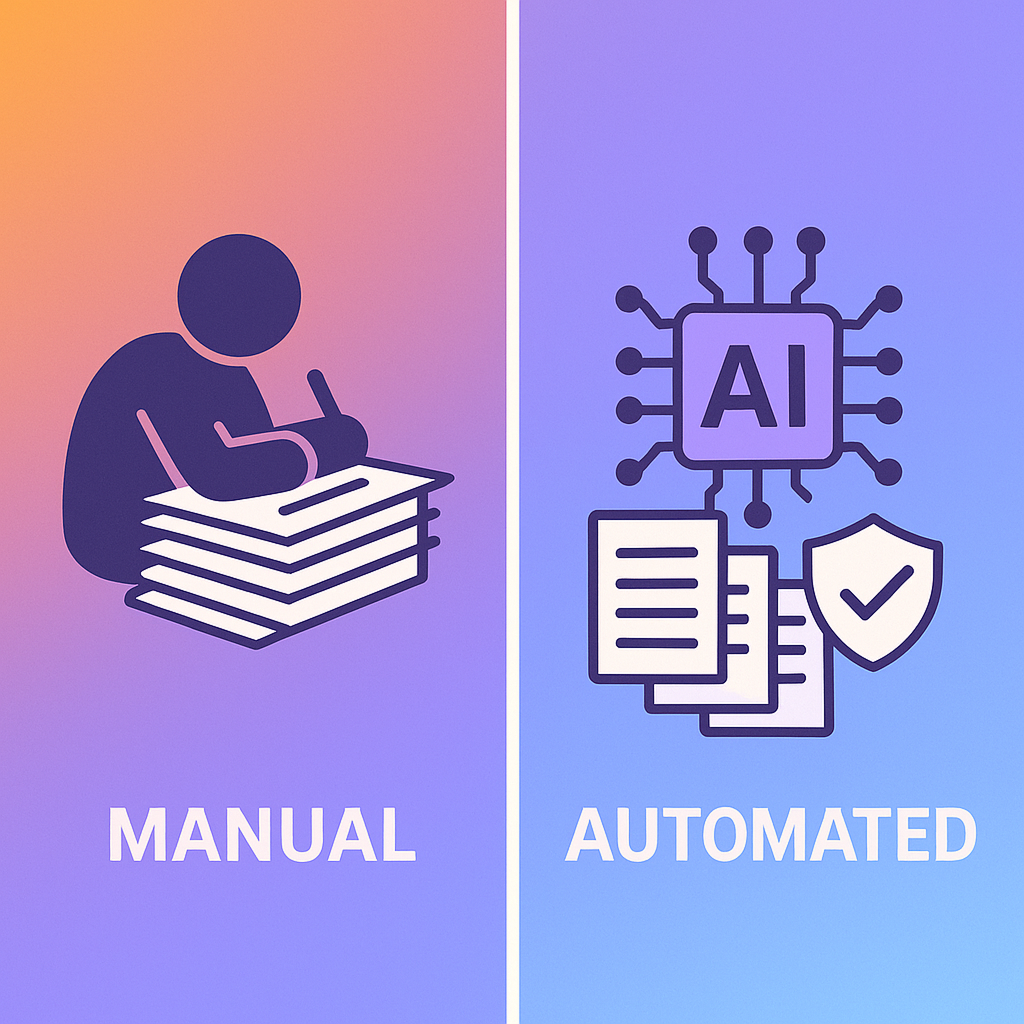
Manual vs. Automated COI Review: What You Gain (and What You Risk) With Each Approach
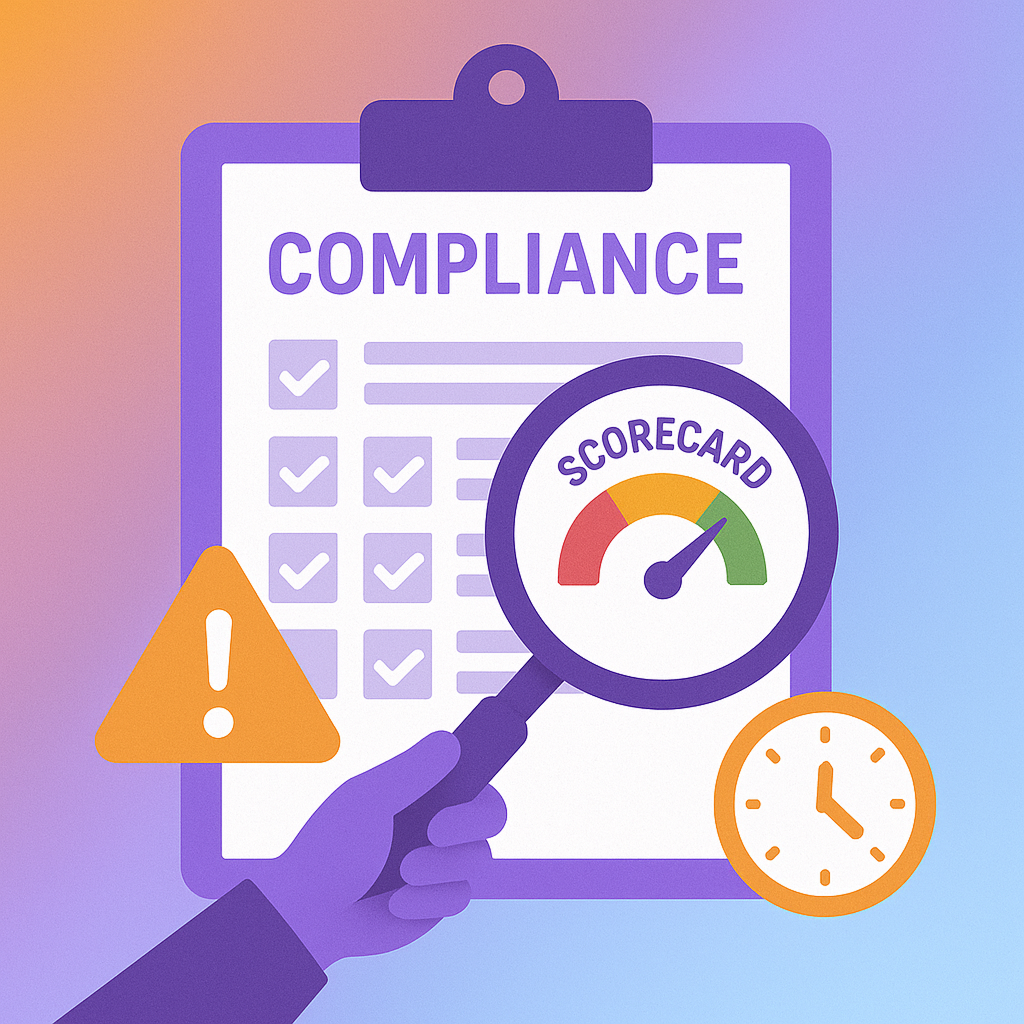
COI Compliance Scorecard: Where Does Your Process Stand?

Broker Myths: “But Our Broker Handles This…” (and Other Misconceptions)

6 Signs Your COI Process Is Putting You at Risk
5 Trends Shaping the Future of Compliance (and What They Mean for COI Management)

You don't have to understand insurance to be good at compliance.
With Lumie, compliance is covered. So is everyone on your project.

Get The Lantern
.avif)