
The Cost of Manual COI Tracking: The True Guide


What is Manual COI Tracking?
Manual COI tracking is when vendor insurance compliance lives in inboxes, spreadsheets, and shared folders instead of one reliable system. Vendor certificates show up by email, get downloaded, renamed, reviewed, and stored, sometimes, while expiration dates live in someone’s calendar and coverage details hide inside PDFs.
This COI management process relies on manual processes to handle insurance tracking, which means every update, follow-up, and review depends on human memory and effort.
The Myth of “Free”
Leaders love to assume manual tracking is harmless. “We’ll just use the team we already have,” they say. No software, no third-party service. But red flags in COIs don’t pause just because you’re doing things manually.
Problem solved? Hardly.
Not so fast.
Free isn’t really free. Here’s why:
- Staff hours = real cost. If one compliance admin spends 15–20 hours a week on COIs, that’s nearly 1,000 hours a year. That’s months of their time, gone. Add up salary and benefits, and “free” suddenly looks like tens of thousands of dollars.
- Opportunity cost = missed value. Those hours could be spent on vendor trust, risk analysis, or actually improving the process — instead of chasing PDFs.
- Risk exposure = surprise bills. Nearly 70% of COIs arrive noncompliant the first time. Every one that slips through is a claim waiting to land on your balance sheet.
Manual tracking isn’t free. It’s like winning a goldfish at the fairgrounds — you paid to play the game and now you have a pet.
The Cost in Time
Endless Chasing
Every COI request turns into follow-ups. Vendors delay. Brokers misplace requests. Endorsements take days. Suddenly you’re in your third “just checking in” email of the week.
Data Entry Drain
Spreadsheets weren’t built for this. Typing dates and coverage limits row by row is tedious at best — and one misplaced digit can hide a lapse or derail a project.
Renewal Season = Fire Drill
If you’ve lived through renewal season, you know. Policies all expiring at once, inboxes on fire, admins living in Outlook instead of, well, life.
Friendly Tip: Even if you’re stuck manual for now, set reminders at least 30 days ahead. Waiting until the week of expiration is like waiting until your gas tank hits zero.
The Cost in Money
Claims That Shouldn’t Be Yours
If a vendor’s coverage lapses or an endorsement is missing, liability shifts to you. One missed detail can snowball into six figures.
Mini-Story: One company missed a vendor’s expired General Liability policy. When a claim hit, they ended up footing a $750,000 settlement. That “quick check” oversight turned into a crisis.
Staff Burnout and Turnover
Manual tracking is the definition of soul-crushing busywork. Endless chasing + data entry = frustrated staff. And frustrated staff leave. Replacing them? That costs 50–200% of their annual salary.
Delayed Projects
Every day a vendor waits for approval is a day your project stalls. Multiply across dozens of vendors and those delays don’t just cost money — they erode trust.
The Cost in Risk
Manual systems aren’t just slow. They’re dangerous.
- Missed expirations = gaps in coverage.
- Inconsistent reviews = missed endorsements.
- No single source of truth = messy audits.
Deloitte reports that 57% of organizations experienced a serious disruption in the last three years due to third-party issues. Translation: shaky compliance isn’t just paperwork trouble — it’s a business risk.
Friendly Tip: Even if you stay manual, keep COIs in one place. A shared drive is better than inbox archaeology.
The Cost in Trust
This one doesn’t get talked about enough. Compliance is about relationships as much as rules.
- Vendors lose trust when reminders pile up or approvals drag.
- Leaders lose trust when you can’t answer questions quickly.
- Clients lose trust if gaps surface during audits.
And once trust slips, it’s a long, expensive road to earn it back.
What Automation Fixes
Here’s where things get lighter. Automation doesn’t just make review faster — it changes the whole vibe.
- Requests and reminders? Automated.
- Exceptions? Flagged in real time.
- Dashboards? No more spreadsheet archaeology.
- Audit trails? Already there when you need them.
Your role doesn’t vanish. It evolves. Instead of chasing emails, you get to advise leadership, manage risk, and actually breathe at renewal time.
From Manual COI Tracking Costs to Growth Engine
Manual COI tracking hides its costs in staff time, project delays, and missed coverage. Automation flips the script:
- Hours shrink to minutes.
- Hidden costs become visible, measurable savings.
- Compliance goes from bottleneck to growth engine.
Because compliance isn’t busywork. It’s protection. It’s progress. It’s peace of mind that lets your business move forward fearlessly.
The next uninsured third-party partner won't announce themselves.
illumend catches the gap.
You save the project.
Blog & Insights


Building a COI Tracker with AI: What It Takes, and What It Misses

How Much Does COI Tracking Software Cost?

illumend vs. Billy: which one gets your whole vendor base compliant?

illumend vs. Jones: Which COI tracking platform actually gets your partners to compliance?

AI-First vs Humans-First COI Software: Key Differences

How do you modernize your COI tracking program?

COI Compliance Software ROI: How to Make the Case to Your Leadership Team

How to Evaluate AI-Powered COI Compliance Software: 10 Questions That Matter

Who Bears the Risk When AI COI Compliance Software Gets It Wrong?
.webp)
A Guide To COI Tracking For Property Management
.webp)
How To Track Insurance Policies: A Guide

Best Software for Contractor Insurance Compliance in 2026: 7 Options Compared
illumend vs TrustLayer (2026): COI Compliance Software Compared

Why illumend Is Different: Moving Beyond the Outdated Compliance Model

Why AI Is the Future of Compliance
%20Software%20In%202026.webp)
How To Choose COI Tracking Software in 2027: A Buyer's Guide

What Are the Best AI-Powered COI Tracking Software Options?

The AI Advantage: How Smart Tech is Changing COI Review Forever

The 3 Paths to COI Review: In-House, Outsourced, or AI
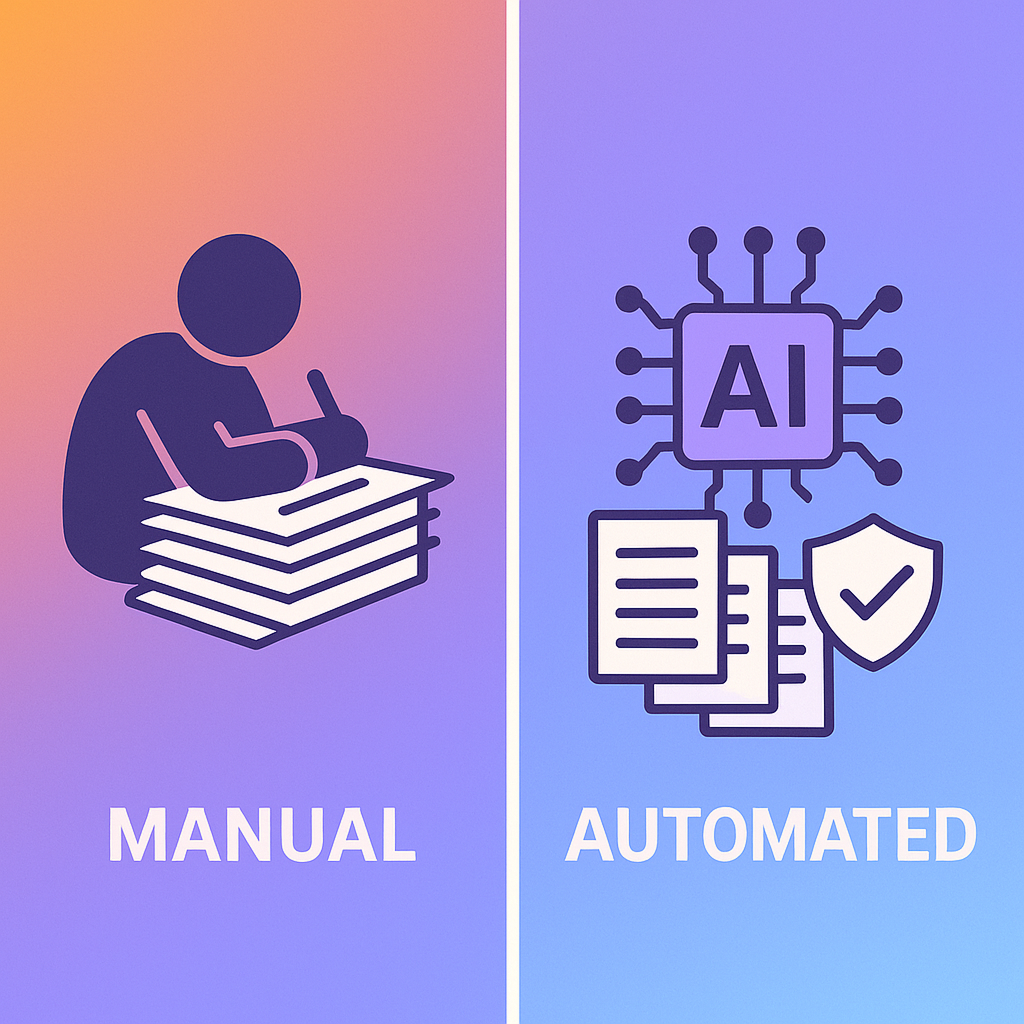
Manual vs. Automated COI Review: What You Gain (and What You Risk) With Each Approach
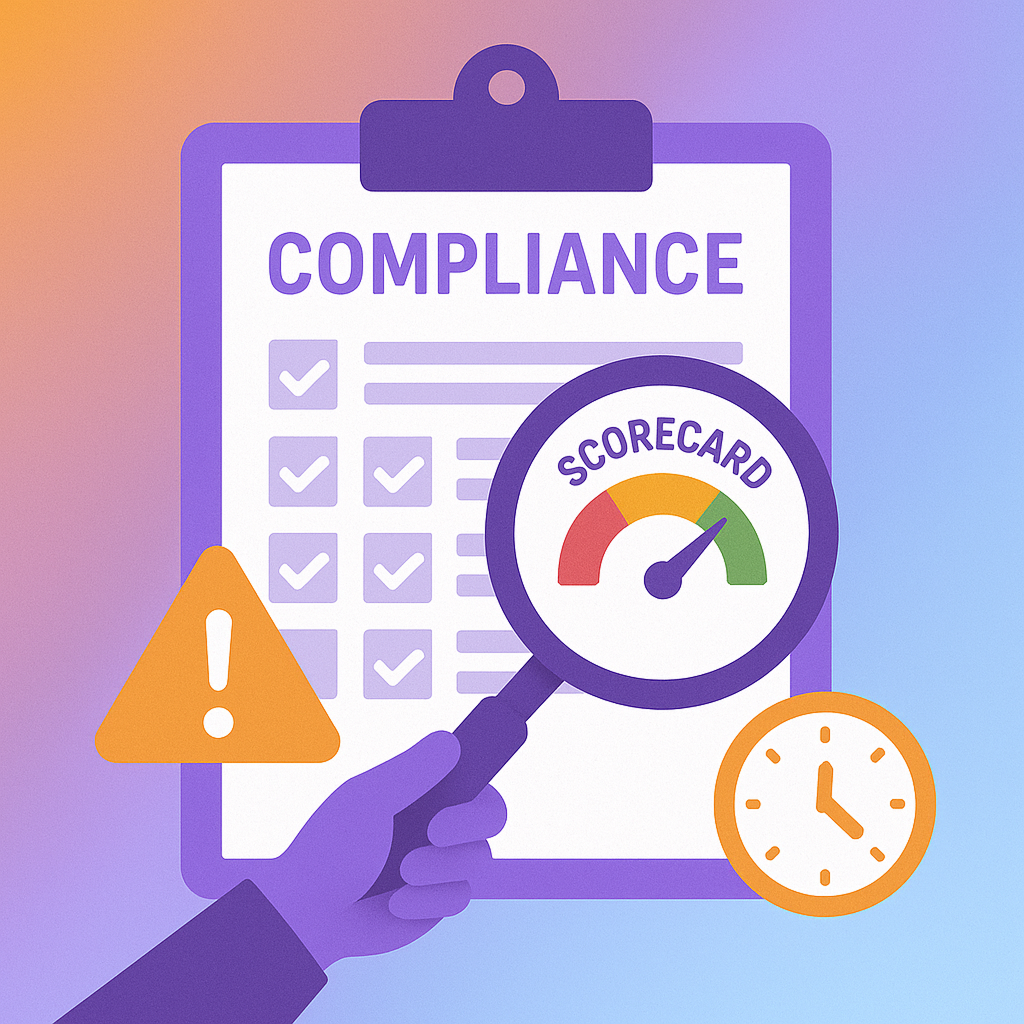
COI Compliance Scorecard: Where Does Your Process Stand?

Broker Myths: “But Our Broker Handles This…” (and Other Misconceptions)

6 Signs Your COI Process Is Putting You at Risk
5 Trends Shaping the Future of Compliance (and What They Mean for COI Management)

You don't have to understand insurance to be good at compliance.
With Lumie, compliance is covered. So is everyone on your project.

Get The Lantern
.avif)