
Broker Myths: “But Our Broker Handles This…” (and Other Misconceptions)



If you’ve ever asked, “Our broker handles this, right?” when it comes to Certificates of Insurance (COIs), you’re not alone.
It’s a common assumption: that brokers are managing the day-to-day details of compliance. The truth? Brokers play a vital role in securing insurance coverage — but daily COI management isn’t their job. And believing otherwise can expose your company to costly mistakes.
Let’s bust the most common myths about brokers, what they do (and don’t do), and why compliance needs more than a broker relationship to be effective.
Myth #1: “Our Broker Manages COIs for Us.”
The misconception: Many companies think their broker collects and verifies every vendor COI.
The reality: Brokers place coverage. They help design your insurance program, negotiate policies, and sometimes advise on contract language. But they’re not chasing your vendors, logging expirations, or verifying endorsements every day.
The risk: Assuming your broker handles COIs can lead to missed expirations, coverage gaps, and failed audits.
Friendly Insight: Ask your broker to outline their role in writing. Chances are, you’ll see COI tracking isn’t on the list.
Myth #2: “Our Broker Will Catch Every Issue.”
The misconception: Brokers will flag every missing endorsement, mismatched name, or expired policy.
The reality: Brokers aren’t reviewing every single certificate that crosses your inbox. If they catch issues, it’s usually ad hoc — not systematic.
The risk: Critical gaps slip through. A single missed Additional Insured endorsement can shift liability worth millions back to you.
Mini-Story: A contractor assumed their broker was reviewing vendor COIs. Months later, they discovered several vendors had expired Workers’ Comp coverage. When an injury claim hit, the contractor took the financial hit directly.
Myth #3: “Brokers Handle Renewal Season.”
The misconception: Brokers will manage vendor COI renewals and send reminders before policies expire.
The reality: Brokers focus on renewing your company’s policies, not vendor compliance. Renewal reminders for vendors? That’s on you.
The risk: Dozens of vendor policies can expire unnoticed. Projects stall. Liability boomerangs back to you.
Friendly Insight: Automating renewal reminders 30+ days in advance keeps everyone on track — no panicked chases on Friday afternoons.
Myth #4: “Brokers Provide Full Compliance Oversight.”
The misconception: Brokers ensure your compliance process is airtight.
The reality: Brokers advise on strategy, not execution. They aren’t building your workflows, centralizing documents, or tracking exceptions.
The risk: Leadership assumes everything is covered — until an audit reveals otherwise.
Mini-Story: A logistics company leaned on their broker for oversight. During an audit, they couldn’t produce nearly half their COIs. The audit failed, costing them their largest client contract.
Myth #5: “Outsourcing to Brokers Is Cheaper.”
The misconception: It’s more affordable to let brokers “handle” compliance than to invest in systems or staff.
The reality: Many brokers charge extra fees for compliance add-ons — and those processes are still manual. Delays, errors, and vendor frustration quickly outweigh the perceived savings.
The risk: Compliance gets deprioritized, vendor trust erodes, and leadership lacks visibility.
Friendly Insight: When you tally staff hours, broker fees, and claim exposure, AI-native compliance platforms often save more — and deliver far more control.
What Brokers Do Well
Let’s be clear: brokers are essential. They:
- Design your insurance program.
- Place and negotiate coverage.
- Advise on limits and contract language.
- Provide expertise during claims.
They’re critical partners — but they aren’t your compliance department.
Why Technology Complements Brokers
Think of it this way: brokers bring expertise, technology brings execution.
- Brokers: Strategic advice, coverage placement, claims support.
- AI platforms: Day-to-day compliance — automating requests, tracking expirations, flagging exceptions, and building audit trails.
Together, you get the best of both worlds: broker strategy + AI execution.
From Misconception to Mastery
For too long, companies have assumed brokers were quietly managing compliance in the background. Those assumptions have led to missed renewals, failed audits, and costly claims.
illumend clarifies the picture: brokers do what they do best — strategy and placement — while AI-native platforms handle what they can’t: day-to-day compliance execution.
Because compliance isn’t a guessing game. It’s protection. It’s progress. And with the right tools, it’s fearless growth.
The next uninsured third-party partner won't announce themselves.
illumend catches the gap.
You save the project.
Blog & Insights


Building a COI Tracker with AI: What It Takes, and What It Misses

How Much Does COI Tracking Software Cost?

illumend vs. Billy: which one gets your whole vendor base compliant?

illumend vs. Jones: Which COI tracking platform actually gets your partners to compliance?

AI-First vs Humans-First COI Software: Key Differences

How do you modernize your COI tracking program?

COI Compliance Software ROI: How to Make the Case to Your Leadership Team

How to Evaluate AI-Powered COI Compliance Software: 10 Questions That Matter

Who Bears the Risk When AI COI Compliance Software Gets It Wrong?
.webp)
A Guide To COI Tracking For Property Management
.webp)
How To Track Insurance Policies: A Guide

Best Software for Contractor Insurance Compliance in 2026: 7 Options Compared
illumend vs TrustLayer (2026): COI Compliance Software Compared

Why illumend Is Different: Moving Beyond the Outdated Compliance Model

Why AI Is the Future of Compliance
%20Software%20In%202026.webp)
How To Choose COI Tracking Software in 2027: A Buyer's Guide

The Cost of Manual COI Tracking: The True Guide

What Are the Best AI-Powered COI Tracking Software Options?

The AI Advantage: How Smart Tech is Changing COI Review Forever

The 3 Paths to COI Review: In-House, Outsourced, or AI
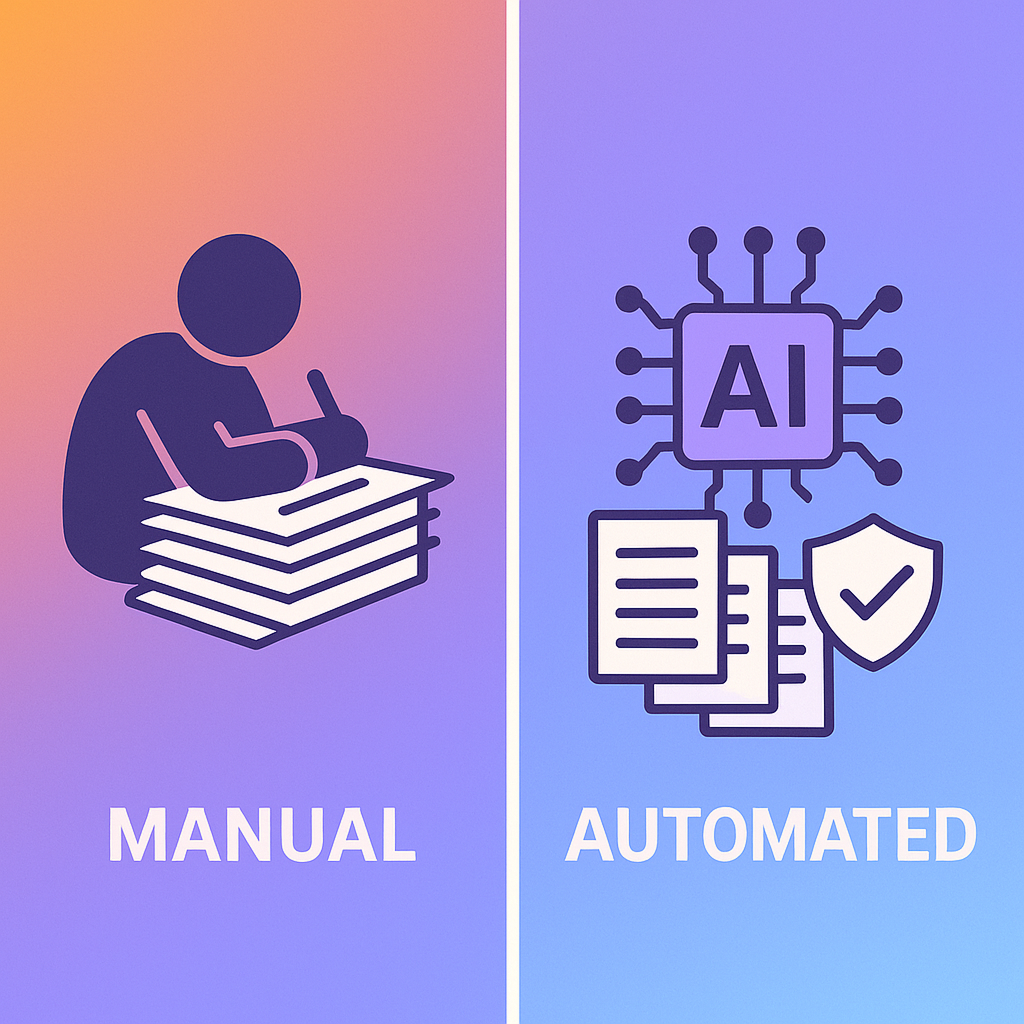
Manual vs. Automated COI Review: What You Gain (and What You Risk) With Each Approach
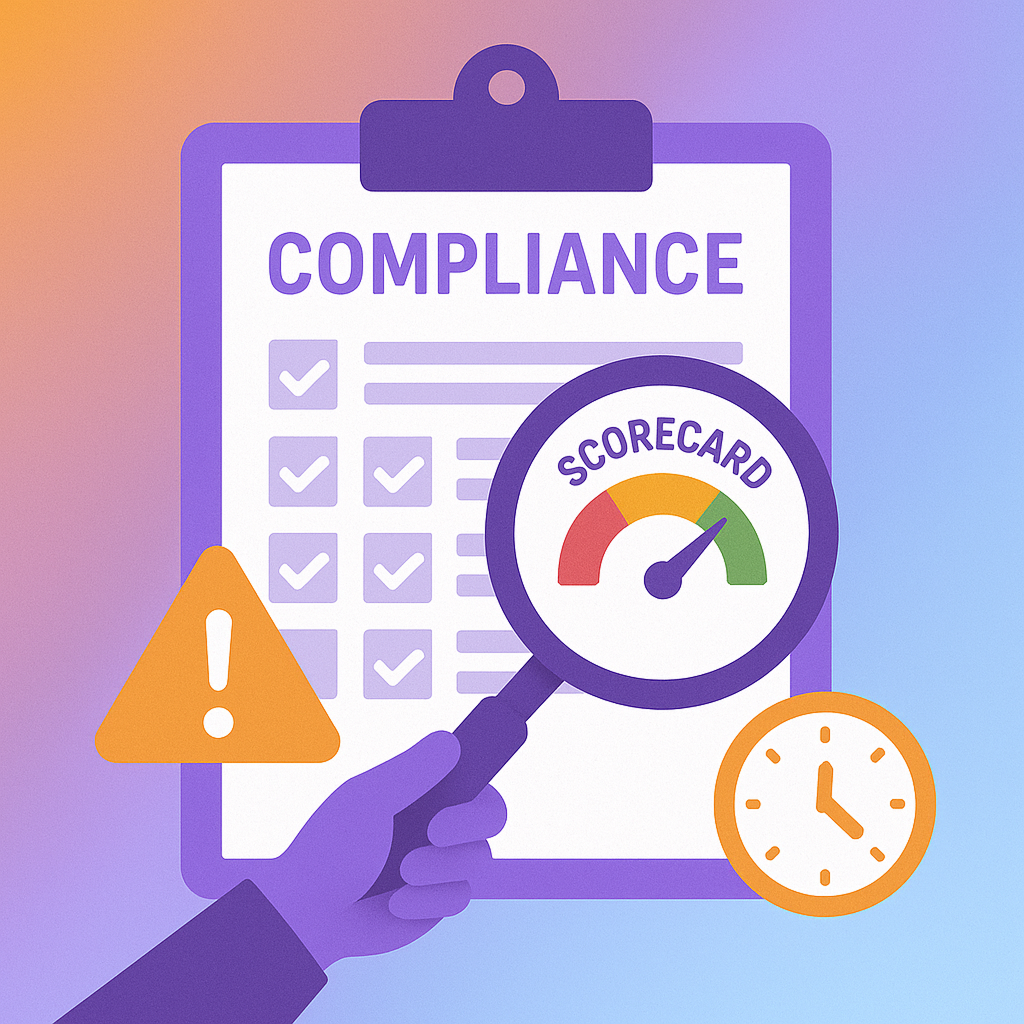
COI Compliance Scorecard: Where Does Your Process Stand?

6 Signs Your COI Process Is Putting You at Risk

5 Trends Shaping the Future of Compliance (and What They Mean for COI Management)

You don't have to understand insurance to be good at compliance.
With Lumie, compliance is covered. So is everyone on your project.

Get The Lantern
.avif)