




.webp)






.webp)









%20and%20Why%20Is%20It%20Critical%20for%20Your%20Business.jpeg)



%20Software%20In%202026.webp)



.jpg)



















.avif)


Does My Business Insurance Cover Independent Contractors?
Many business owners are caught off guard when they realize their small business insurance doesn’t extend to independent contractors. When contractors work right alongside employees, it’s a common assumption. On the surface, it looks the same.
But coverage works differently. And once that becomes clear, construction questions tend to follow:
- What business insurance do independent contractors need
- Who’s responsible for what
- How to make sure everything is adequately protected before work begins.
- What actually needs to be checked
- How to handle contractor insurance without slowing the work down
Once those basics are clear, managing subcontractor insurance requirements becomes less about complexity and more about knowing what to ask for before work begins.
Does Your Business Insurance Cover Independent Contractors?
No, your business insurance typically does not cover independent contractors you hire.
Independent contractors operate as separate businesses. That means they’re responsible for carrying their own insurance coverage. Your general liability policy protects your company against third-party claims tied to your business operations, not the independent businesses you contract with.
Workers’ compensation coverage also applies only to employees on payroll, not independent contractors.
Insurance policies are structured around employment classification. Coverage depends on whether someone is an employee or an independent contractor. That distinction determines who carries the risk if something goes wrong.
Does Business Liability Insurance Cover 1099 Employees?
No. Business liability insurance does not extend to 1099 contractors. Many independent contractors carry their own coverage, even when they’re performing work on your behalf.
Your general liability coverage is built to protect your business if someone outside your company makes a third-party claim, such as bodily injury or advertising injury. It does not automatically extend to people you hire as independent contractors. Your workers' compensation coverage applies only to employees, not contract workers.
Why Independent Contractors Need Their Own Insurance
Independent contractors feel like an extension of the team, but from a legal and insurance standpoint, they’re separate.
When a contractor carries their own insurance coverage:
- Liability stays tied to the work they’re responsible for
- Claims are handled through the appropriate insurance policies
- Business owners and project managers avoid unnecessary exposure
- Insurance disputes are less likely to slow down the project
- Financial responsibility is clearer if something goes wrong
This matters on active job sites, such as in the construction industry, where injuries, property damage, or poor workmanship can quickly lead to liability claims. Keeping coverage separate makes responsibility clear.
Clear roles and clear coverage make financial responsibility easier to manage, even when you work with 1099 contractors.
The difference comes down to how insurance defines employees versus contractors.
What Type of Insurance Do I Need for a 1099?
In most cases, you’ll expect a 1099 contractor to carry the following types of insurance:
General liability insurance
Independent contractors carry their own commercial general liability insurance.
This commercial general liability insurance covers situations such as:
- Injuries connected to work being performed
- Damage to property on a job site
- Claims tied to third-party losses
- Legal defense costs related to covered claims
Umbrella / Excess liability insurance
On larger or higher-risk construction projects, contracts require umbrella or excess liability coverage. If a serious claim comes up, that extra coverage provides breathing room and protects everyone involved.
Professional liability insurance
If contractors provide professional services, they may need professional liability insurance. A professional liability policy addresses claims tied to errors, missed deadlines, or financial loss related to their work.
Workers’ compensation insurance
Even as a one-person business, contractors need to carry workers’ comp insurance, depending on the state law or the contract. If they’re injured on the job, it covers medical expenses and lost income.
Commercial auto insurance
If a contractor drives between job sites or transports equipment, their business vehicle insurance needs to cover that kind of use.
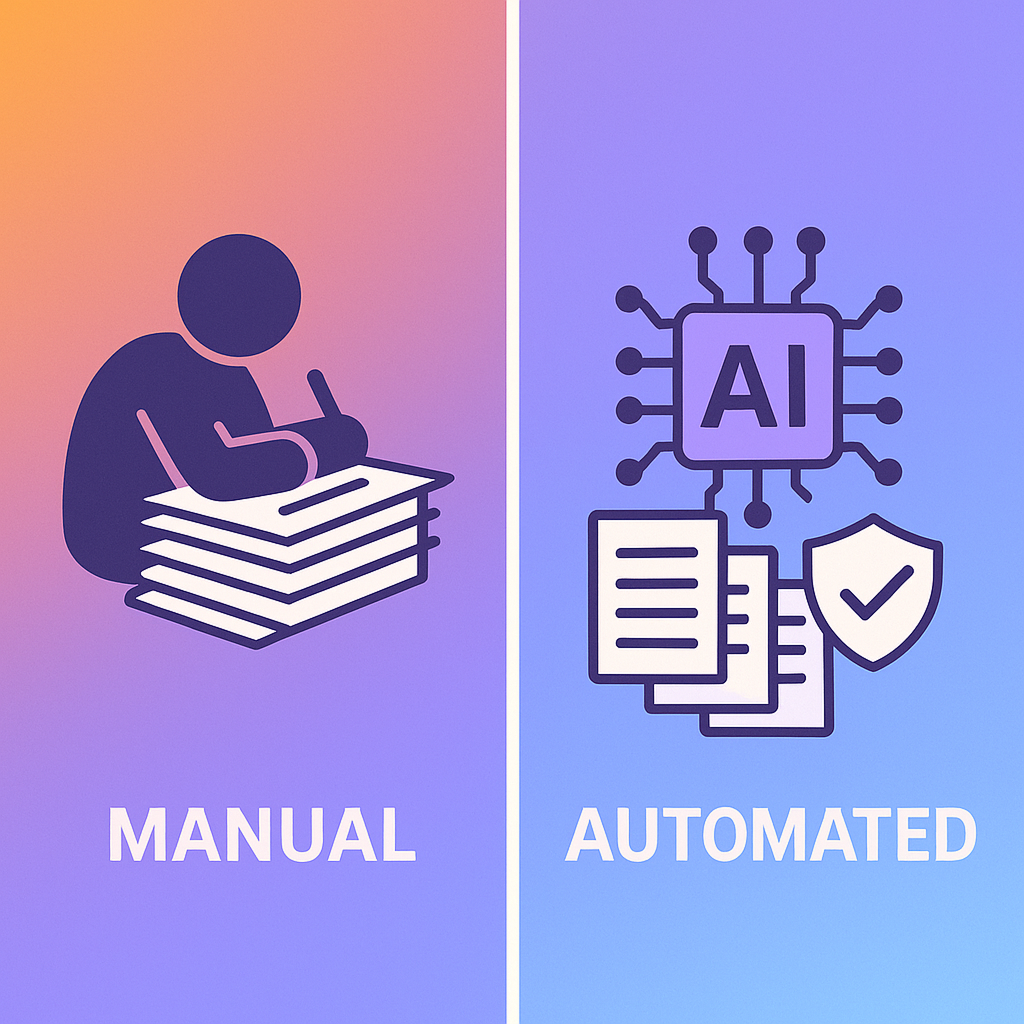
illumend empowers project managers and small business owners to keep contractor insurance organized. Your coverage requirements stay visible, and COIs stay current. You know where compliance stands before work begins.
What Happens If a Contractor Doesn't Have Insurance?
When a contractor works without insurance, responsibility often shifts back to the hiring business — whether that feels fair or not. Even when the issue starts with the contractor’s work, questions tend to come back to the project owner or manager.
This can result in:
- Legal fees for your business
- Delays while coverage and responsibility are sorted out
- Gaps uncovered during audits, incidents, or renewals
How Do You Verify Contractor Insurance Coverage?
Contractor insurance is verified by reviewing the certificate of insurance before work begins and making sure it meets the requirements you’ve set.
Look for active policies that match the type of work being done, with limits that meet your minimums. Check the effective and expiration dates to ensure coverage is for the entire project.
If additional insured status is required, look for it on the certificate or in an accompanying endorsement. And when something is not clear, contact the insurance provider listed to save time and prevent issues before they escalate.
What Should You Look for on a Certificate of Insurance?
Look for the following on a certificate of insurance:
- Contractor’s legal business name
- Business Insurance policy numbers and carrier
- Coverage types required for the work
- Policy coverage limits that meet your requirements
- Effective and expiration dates
- Additional coverage or insured endorsements, when required
- Insurance company or agent contact information
How Does illumend Simplify Contractor Insurance Verification?
Requesting insurance documents shouldn’t feel uncomfortable, awkward, or like you’re questioning someone’s professionalism. With illumend, it becomes routine in doing business.
Instead of chasing paperwork or explaining insurance requirements over email, contractors receive a simple request with clear guidance on what’s needed. One-click invites remove the guesswork, and Lumie™ helps contractors understand requirements without putting project managers in the role of insurance expert.
As documents come in, the insurance compliance platform checks the coverage automatically against your requirements. COIs stay current, gaps are flagged early, and compliance is visible in real time.
illumend sits between everyday work and insurance complexity. It keeps requirements clear and gives teams confidence that coverage is adequate.
For teams that regularly manage contractors, illumend makes insurance compliance feel manageable, predictable, and under control.