




.webp)





.webp)









%20and%20Why%20Is%20It%20Critical%20for%20Your%20Business.jpeg)



%20Software%20In%202026.webp)



.jpg)


















.avif)


What Contractor Insurance Covers & How To Get Proof of Contractor Insurance
You've already vetted the contractor, reviewed their quote, and agreed to move forward. Now it’s time to ask for proof of the contractor's insurance, which can suddenly feel like a tug-of-war. Truth is, it's standard project care, just like double-checking permits. Most business owners and project managers expect everyone to be fully insured and clear about it from day one.
Contractor insurance supports the real-life moments that naturally come with any job. A ladder brushes against a newly finished floor, someone stumbles over a toolbox in the hallway, or a truck taps a fence while turning around. None of these is unusual. Proper protection keeps everything manageable.
The following are common construction questions that come up before work begins.
What Insurance Should Contractors Have?
Most experienced contractors carry a few core types of coverage.
- General liability insurance helps if something at the job site causes property damage or bodily injury. It can cover legal costs if a claim is filed.
- Workers’ compensation applies when an independent contractor has employees. If a team member is injured while working, this coverage covers medical bills and lost wages.
- If vehicles are part of the job, commercial auto insurance matters too.
- Some contractors carry professional liability insurance or errors and omissions coverage, which applies if a client claims there was a mistake in the general contractor’s work or advice.
- Some contractors carry umbrella or excess liability insurance for an additional layer of protection.
What Does General Liability Insurance Cover for Contractors?
General liability insurance applies when something unexpected happens during a job. It addresses claims involving property damage or bodily injury that arise from the contractor’s work.
This coverage handles repair costs, medical expenses, and related legal fees if a claim is made. When something goes wrong, it keeps a bad day from becoming a financial crisis.
Do All Contractors Need Workers Compensation Insurance?
Most contractors need workers’ compensation insurance, depending on state laws and how many employees they have. In many states, hiring even one employee requires coverage. Construction industry rules tend to be stricter than those in other industries, so clients often expect workers’ compensation to be in place.
Solo contractors may not always be required to carry it. Even when it’s optional, workers’ comp can cover the gap if they’re injured and suddenly out of work.
Before work begins, confirm coverage and request a certificate of insurance (COI).
Why Do You Need Proof of Contractor Insurance?
It’s easy to assume insurance is in place, especially if you’ve worked together before. You trust them, you’ve checked references, the quote looks good, and you’re ready to move ahead. But without proof of insurance, you’re relying on a promise instead of documentation.
COIs show whether the policy is in force before the first day of work.
When you request proof, you set expectations from the start. Most established contractors expect to be asked. For them, it’s a part of doing business.
What Is a Certificate of Insurance for Contractors?
A Certificate of Insurance (COI) for contractors is a summary document issued by the contractor’s insurer. It lists their policies (general liability, workers comp), limits, and dates, and confirms the contractor has active insurance throughout the project schedule.
For small business owners and project owners, it answers one practical question: Is insurance in place before work begins? When it’s built into your process from the start, COIs feel routine instead of awkward.
What Should You Look for on a Contractor's COI?
Reviewing a COI is simple when you focus on a few important details. You can start by reviewing the listed policy types. General liability should appear. If the contractor has employees, ensure workers’ compensation is included. If the contractor will be driving as part of the job, ensure commercial auto coverage is present on the COI.
Take a quick look at the policy dates so coverage runs through your project schedule. Then check the coverage limits to confirm they match what you agreed to. Confirm the business name reflects the contractor you hired. To learn more about how to read a certificate of insurance, read our blog.
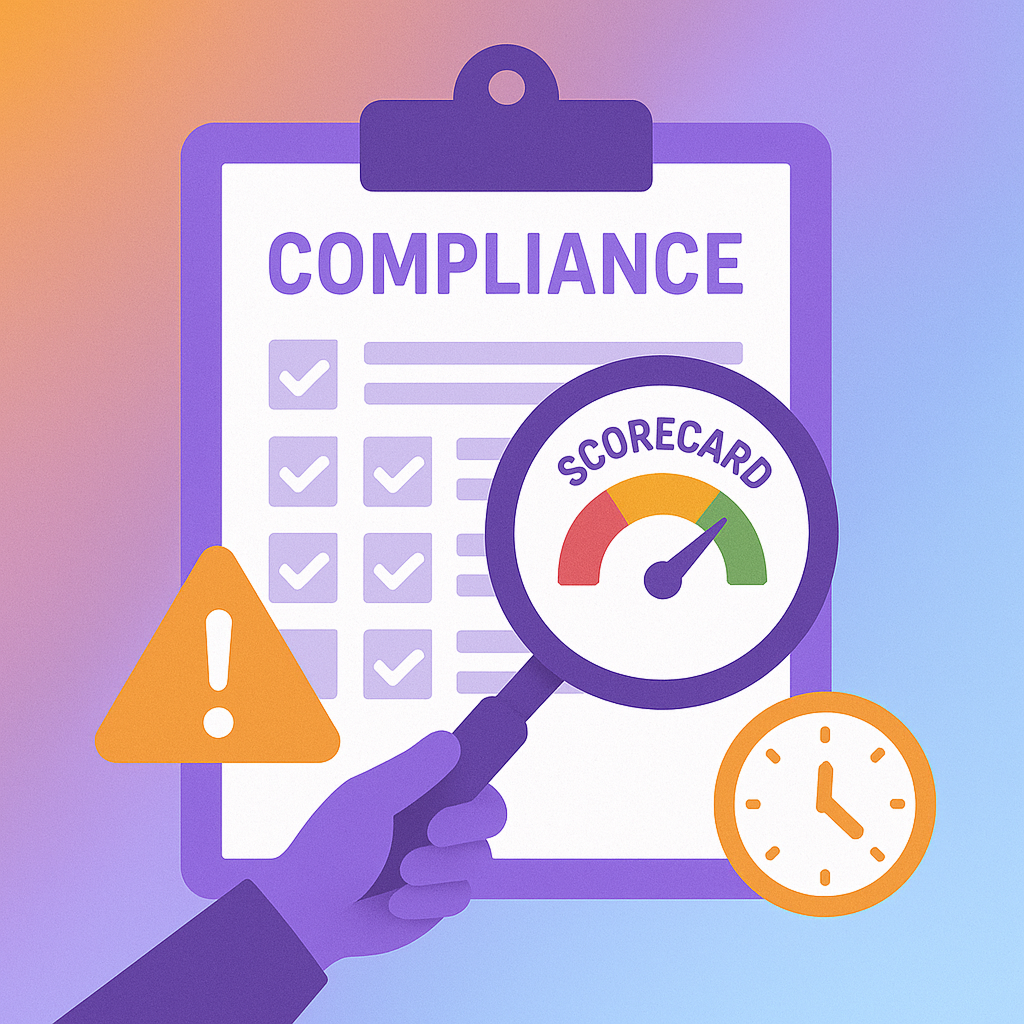
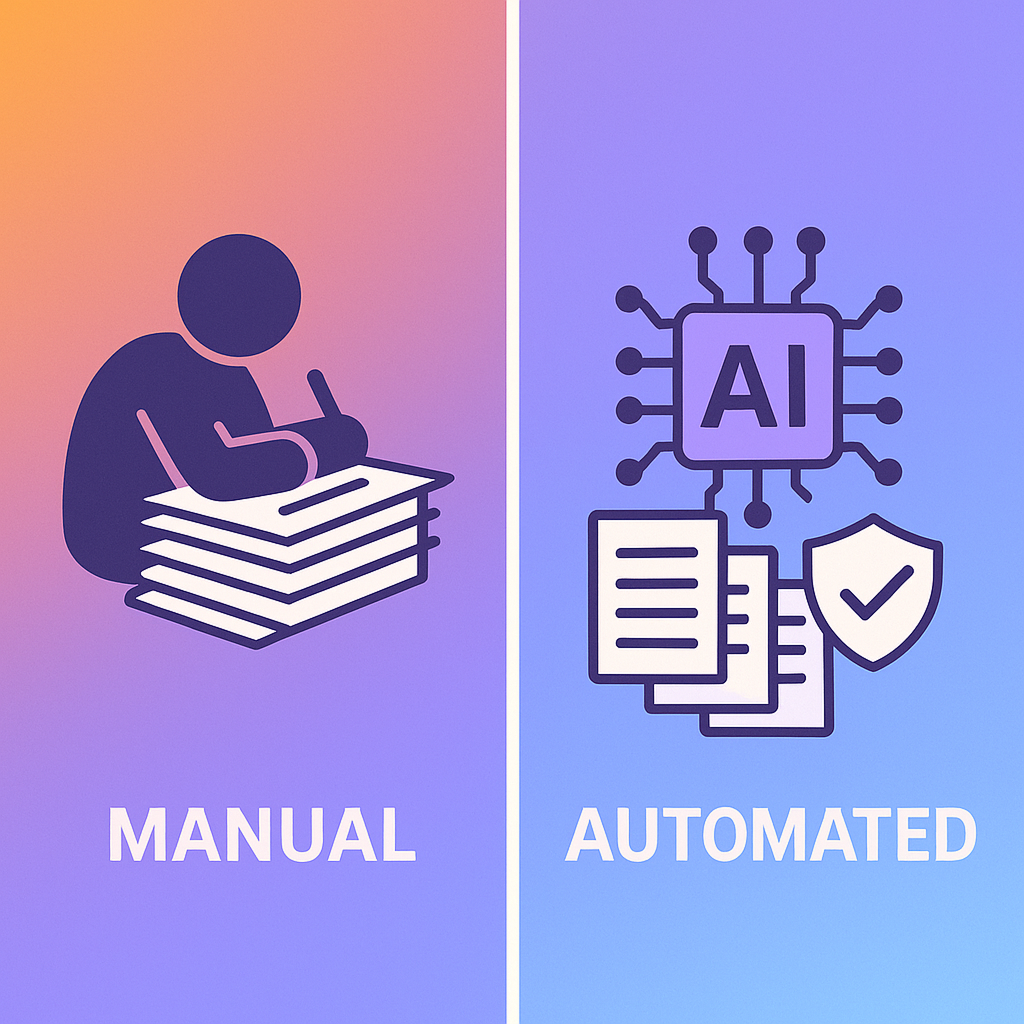
Tracking COIs can become a series of scattered emails and reminders. illumend, from myCOI, empowers you to manage this step. You send a single invite, and contractors use the same link to share proof of insurance and check their status whenever needed.
As documents come in, Lumie™, your built-in AI guide, clarifies what you’re looking at, so you can make informed decisions without second-guessing the details.
What Is the Evidence of an Insurance Contract?
Insurance policies are legal contracts. They describe what the policy covers, the coverage limits, and how both parties can handle a claim.
In everyday business, most people do not exchange full policy documents. A Certificate of Insurance, or COI, is your evidence of the insurance contract.
How Do You Request Proof of Insurance From a Contractor?
Before the job begins, give the contractor advance notice that you need a current Certificate of Insurance. Share the coverage information your business needs.
A simple message works:
“Before we begin, please send your current COI showing general liability and any other required coverage.”
Including it in your standard onboarding process maintains a professional tone. When insurance verification is treated as routine, it’s easier to complete projects on time.
For teams managing multiple contractors, illumend adds structure to this step. The compliance platform tracks proof of insurance in real-time to prevent last-minute compliance surprises.
How Do Contractors Show Proof of Insurance?
Proof of insurance is shown with a COI. Contractors request the COI from their insurance provider and share it with you before work starts. The document lists the types of coverage they carry, the coverage limits, and the policy dates. It tells you whether their insurance is active for the duration of the project.
For most projects, a current COI is all you need to proceed.
What If a Contractor Pushes Back on Providing Insurance?
Sometimes the COI request lands awkwardly. A contractor may pause or hesitate because they haven’t been asked for proof before. If they’ve worked on projects where trust was handled with a handshake, being asked for a COI can feel formal at first.
A clear explanation resolves it. Something as simple as, “We ask everyone for this as it protects both sides,” keeps the tone friendly and professional.
When insurance requirements are consistent and predictable, they feel like a normal part of doing business. Book a demo to see how illumend keeps COIs organized and compliant.