



.webp)

.webp)





.webp)









%20and%20Why%20Is%20It%20Critical%20for%20Your%20Business.jpeg)



%2520Software%2520In%25202026.webp)



.jpeg)
















.avif)


A Guide To Handling Subcontractors That Do Not Have Insurance
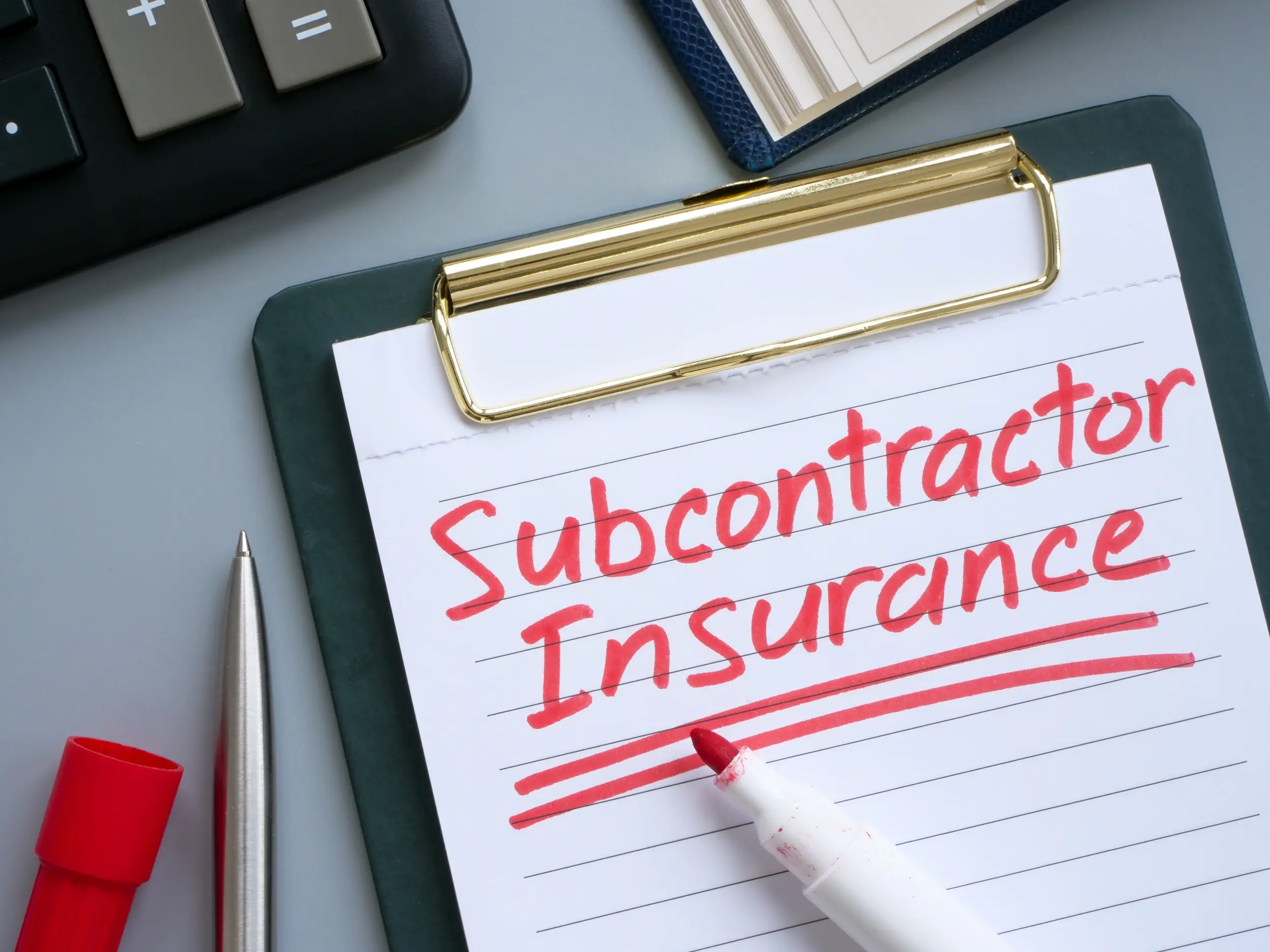
Every general contractor has been there: work is ready to start, the crew is on-site, and then comes the uncomfortable realization that someone's coverage isn't in order. Knowing how to handle that moment, and how to prevent it, keeps your projects protected and your schedule intact.
What Is an Uninsured Subcontractor?
A subcontractor shows up on-site ready to work. Tools are out, the crew is moving, and the day is about to start. Before work begins, you ask a simple construction question most contractors ask without thinking twice: “Can you send over your certificate of insurance (COI)?”
They check their phone, scroll through emails, and walk back to the vehicle. Then there’s that brief pause everyone on a job site recognizes.
Sometimes the policy expired, or the paperwork got delayed. If there’s no active proof of coverage, the subcontractor is treated as uninsured. Situations involving subcontractors without insurance come up more often than expected, especially when policies expire or certificates aren’t updated.
Are subcontractors required to have insurance? Most contracts say yes — but having a requirement on paper doesn't always mean coverage is active when it matters. That disconnect is exactly what makes uninsured subcontractors such a persistent risk on job sites of every size.
Does a Subcontractor Need Insurance?
Yes. Subcontractors should have their own insurance. This coverage protects both the subcontractor and the contractor if something goes wrong on the jobsite.
Because of this risk, contractors usually require subcontractors to carry several types of insurance:
- General liability insurance
- Workers’ compensation insurance if employees are involved
- Commercial auto insurance when vehicles are used for work
- Umbrella or excess liability insurance
Does a 1099 Contractor Need Insurance?
A 1099 contractor doesn’t always face a legal requirement to carry insurance. On most construction projects, contractors still expect independent workers to carry coverage.
Even a single contractor can become involved in an incident that causes property damage, an injury, or incomplete work due to an unexpected situation, resulting in financial losses.
With 1099 contractor insurance, such cases are resolved without holding the contractor liable.
What If a Subcontractor Does Not Have Insurance?
Most insurance problems on a jobsite start with a missing document or an expired certificate. If a subcontractor begins work without active coverage, the exposure and uninsured subcontractor liability shifts back to the general contractor.
That’s where COI verification becomes an important part of risk management on a construction project.
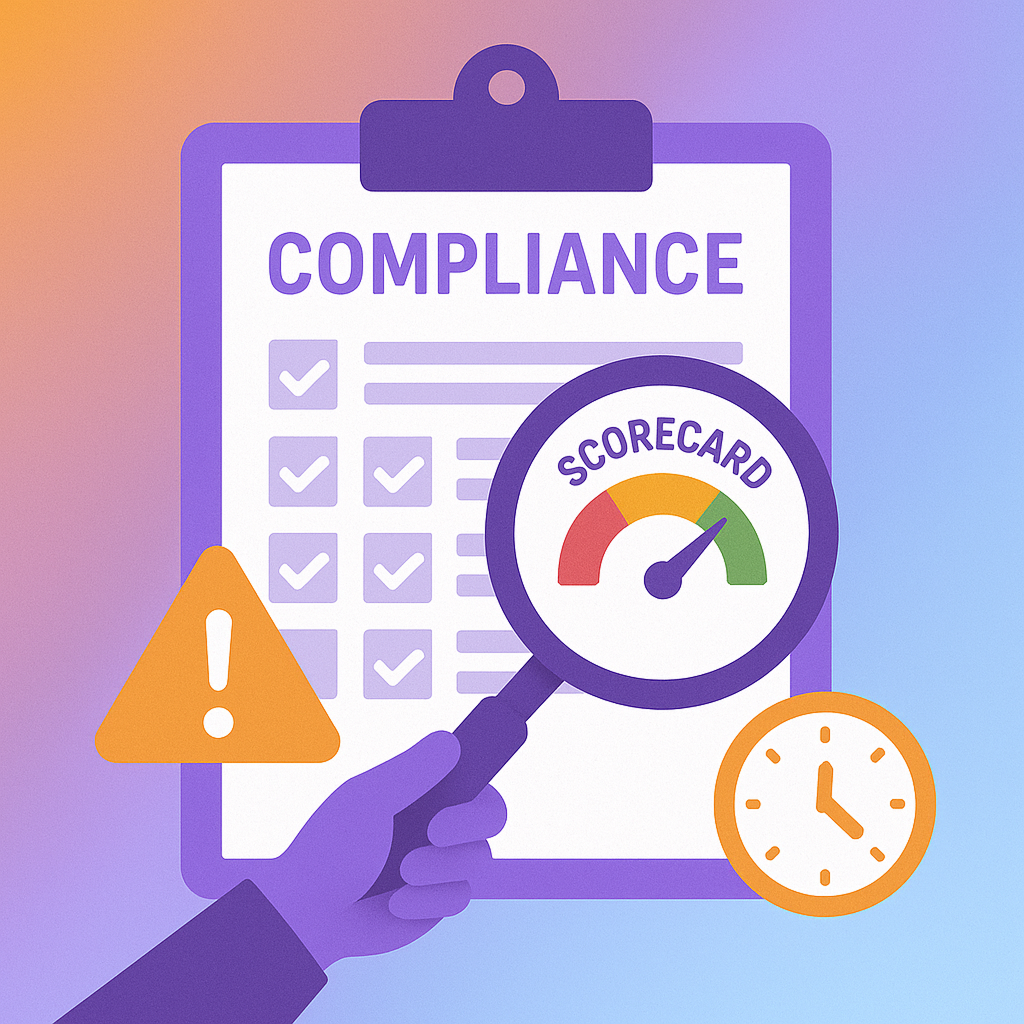
Taking a minute to check insurance verification coverage can prevent much larger problems later. Keeping an eye on certificates and renewal dates helps you maintain strong subcontractor compliance throughout your project.
Does Your Policy Cover Uninsured Subcontractors?
It’s common to assume that if you carry general liability insurance, it will step in when something goes wrong on the jobsite. Most insurance policies are written with the understanding that subcontractors will have their own insurance coverage.
If a subcontractor shows up without it, the situation can quickly become the general contractor’s liability. That’s why many contractors confirm insurance before hiring a subcontractor.
Who’s Actually on the Hook If Something Goes Wrong?
Issues with uninsured subcontractors typically emerge when something has already occurred. A worker suffers injuries, equipment is damaged, or the subcontractor’s work has to be redone later. When insurers begin investigating, the first questions are usually simple:
- Who hired the subcontractor?
- Who was supervising the jobsite?
In many situations, the general contractor is the one expected to address the issue first because the subcontractor's liability insurance is missing.
This doesn’t mean every issue automatically becomes the general contractor's liability. But it does mean you may be the first one asked to respond, or worse, be held liable for resulting damages, legal expenses, or legal fees.
What Are Your Options for Handling an Uninsured Subcontractor?
Finding out a subcontractor doesn’t have insurance can put a project in an awkward spot because the coverage to protect everyone is missing.
In most cases, contractors handle it in a few practical ways:
- Ask the subcontractor to obtain insurance
- Pause the work until coverage is active
- Hire a different subcontractor
Can You Require a Subcontractor to Get Insurance Before Starting Work?
In many projects, yes. It’s common for contracts to require subcontractors to carry their own insurance. If a subcontractor can’t provide a current certificate of insurance, the usual process is to:
- Pause work until coverage is confirmed
- Request an updated certificate of insurance
- Document the COI
What Is a Subcontractor Waiver and When Does It Apply?
A subcontractor waiver comes up during a few common situations:
- Progress payments: A subcontractor signs a partial waiver after receiving payment for a portion of the work.
- Final payment: A final waiver is signed once the subcontractor has been fully paid for the entire scope of work.
- Before releasing payments: Many contractors ask for a waiver before releasing payment.
By signing the waiver, the subcontractor confirms they won’t later place a lien on the portion of the work they have already been paid for.
For example, a subcontractor might finish part of a project and submit an invoice for that stage. When the payment is issued, they sign a waiver confirming that the payment settles the portion of the job.
How Do You Stay Ahead of Subcontractor Insurance Gaps on Future Projects?
Insurance gaps often happen when a project starts moving faster than the paperwork. A certificate expires, a renewal gets delayed, or no one notices until work is already underway.
A quick check early on can prevent delays and confusion once the project is underway. Many contractors build a simple routine around subcontractor compliance:
- Collect certificates of insurance before work begins.
- Verify coverage types and policy limits match the subcontractor insurance requirements.
- Track expiration dates so renewals are requested before coverage lapses.
- Request updated certificates when policies renew.
- Keep insurance documents organized.
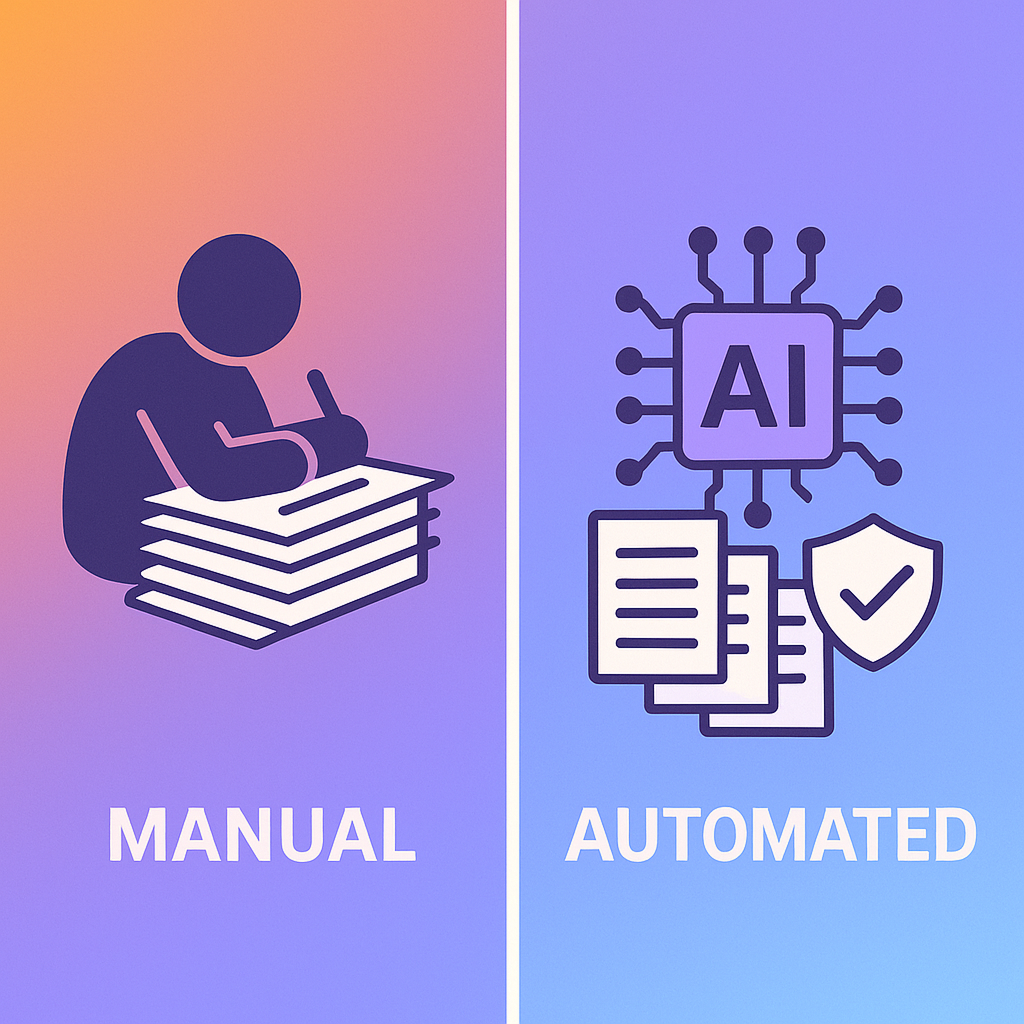
For teams managing multiple subcontractors across several projects, keeping track of everything manually can get difficult.
This is where platforms like illumend, from myCOI, empower you to simplify subcontractor compliance. Rather than searching through documents or manually checking expiration dates, illumend verifies coverage, tracks renewals, and keeps subcontractor compliance under control across every project.
With Lumie guiding the process, teams get real-time alerts when a policy lapses, instant visibility into what’s missing, and a single place to manage compliance across every subcontractor.