
How To Choose COI Tracking Software in 2027: A Buyer's Guide
%20Software%20In%202026.webp)


What Does COI Tracking Software Actually Do?
Organizations that work with third-party partners use COI tracking to collect, verify, and monitor certificates of insurance that third-party partners, such as vendors, subcontractors, and suppliers, submit. The process compares the insurance on those documents against a company’s contract requirements. This allows the organizations to identify potential coverage gaps before an incident or claim exposes them.
When done manually, employees may need to confirm policy types, coverage limits, effective dates, carriers, endorsements, and other details. Once approved, employees must monitor the compliance status and alert the appropriate personnel when coverage approaches expiration or a new document creates a gap.
Vendor compliance tracking requires a lot of administrative work and attention to detail. Advancements in technology have made it more efficient to use specialized COI management software to automate document review and ongoing monitoring. Using software to automate these tasks frees up employees to work on higher-value responsibilities, lowers the risk of human error, and can also reduce labor costs.
What Should You Look For In COI Tracking Software?
COI tracking software should simplify the entire compliance process. Basic platforms can centralize documents, but the strongest options automate the tasks involved in reviewing and monitoring coverage. They turn insurance requirements into clear compliance decisions, keep decisions current, and maintain records for when claims or audits occur.
When COI tracking software offers more than basic storage tools, there are four key capabilities to start with: real-time compliance decisions, renewal and expiration alerts, audit-ready recordkeeping, and an easy document submission process for partners. Effective software should identify issues and gaps quickly, send timely alerts, and keep clear records.
Does It Make Compliance Decisions In Real Time?
Not all COI tracking software works the same way. Some platforms will automate the process by instantly reviewing documents and making decisions in real time. Other platforms will flag more complex submissions for human review. When this happens, the turnaround time depends on the organization’s resources, and the review process could take hours or days.
It’s important to understand how this aspect of the platform works, how it aligns with an organization’s operations, and how it affects costs. Delayed reviews can hold up onboarding, access, or payments. Real-time compliance verification allows qualified partners to move forward instantly and provide greater visibility into coverage gaps.
Is It Easy For Your Third-Party Partners To Actually Use?
It may be easy to overlook the partner experience, but their ability to submit the correct documents directly affects third-party partner compliance. If a partner has difficulty with basic tasks such as logging in, navigating a portal, or understanding the language, they’re more likely to delay the process or submit the wrong documents.
This friction creates unneeded bottlenecks, where employees need to send reminders, partners ask questions, and the cycle repeats, wasting valuable time on both sides. A software platform with an easy-to-understand interface and clear instructions makes for a straightforward process. Ease of use is a compliance feature, not just a convenience.
Why Do Manual COI Tracking Methods Fall Short?
At first glance, foregoing software to handle COI tracking manually can give the impression of saving money. However, there are a number of hidden costs that organizations can overlook. COI tracking software keeps all documentation in a centralized system, making it easy to locate records and monitor compliance. While a spreadsheet-and-inbox approach can work, it may lead to missed renewals and overlooked coverage gaps, especially when managing a growing number of partners. Likewise, manual data entry can lead to human errors and inconsistent records. All of these mistakes and delays may not immediately result in an obvious problem, but they will negatively affect the company’s bottom line.
When comparing manual tracking methods and software, it’s also important to consider the labor each approach requires. An organization may save initially by not paying the software subscription price, but over time they will pay their employees for the time it takes them to complete the tasks. In addition, without a centralized system, labor costs may also go toward the time employees spend chasing paperwork or searching for missing records.
How Is AI Changing COI Compliance Management?
Traditionally, COI compliance platforms could help with tasks such as extracting expiration dates, sending scheduled reminders, organizing files, and storing documents. However, the inclusion of AI into insurance compliance software has expanded its capabilities.
With AI, platforms can interpret submissions, compare them against contract requirements, and communicate the results immediately. AI COI tracking software also improves communication by translating the insurance language into simpler explanations that partners can understand. It can also catch endorsement-level gaps in the fine print that a manual reviewer could easily overlook. The addition of AI into COI compliance management has transformed it from a basic automation platform into one with real-time compliance analysis.
How Does illumend Help You Track COI Compliance With Less Chasing?
There are a variety of ways an organization can approach insurance certificate management. illumend, powered by myCOI, provides an extremely convenient and effective method.
illumend applies advanced AI capabilities through its AI-powered compliance assistant called Lumie™. Lumie reviews 100% of certificate and endorsement submissions in real time, making immediate compliance decisions possible.
Third-party partners get a simple one-click invite with no new portal, which makes submissions easy and reduces friction. After the initial approval, illumend continues working and reaches out to partners before certificates expire, so organizations maintain compliance over time.
If your team is putting too many resources toward manual reviews, chasing files, and piecing together compliance records, illumend can help. Visit illumend.ai today to see how real-time COI and endorsement review can simplify compliance management for your organization.
The next uninsured third-party partner won't announce themselves.
illumend catches the gap.
You save the project.
Blog & Insights


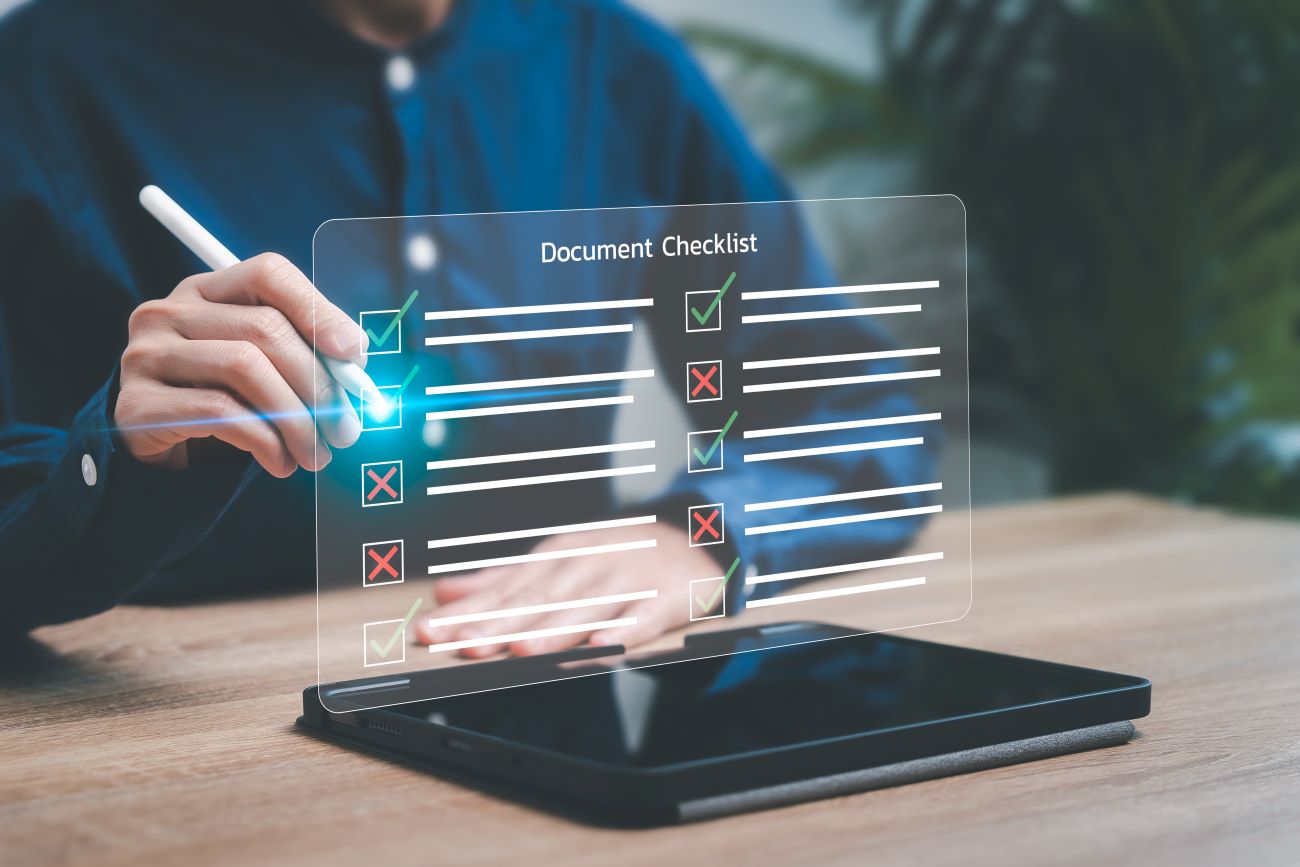
How Much Does COI Tracking Software Cost?

illumend vs. Billy: which one gets your whole vendor base compliant?

illumend vs. Jones: Which COI tracking platform actually gets your partners to compliance?

AI-First vs Humans-First COI Software: Key Differences

How do you modernize your COI tracking program?

COI Compliance Software ROI: How to Make the Case to Your Leadership Team

How to Evaluate AI-Powered COI Compliance Software: 10 Questions That Matter

Who Bears the Risk When AI COI Compliance Software Gets It Wrong?
.webp)
A Guide To COI Tracking For Property Management
.webp)
How To Track Insurance Policies: A Guide

Best Software for Contractor Insurance Compliance in 2026: 7 Options Compared
illumend vs TrustLayer (2026): COI Compliance Software Compared
Why illumend Is Different: Moving Beyond the Outdated Compliance Model
Why AI Is the Future of Compliance

The Cost of Manual COI Tracking: The True Guide

What Are the Best AI-Powered COI Tracking Software Options?

The AI Advantage: How Smart Tech is Changing COI Review Forever

The 3 Paths to COI Review: In-House, Outsourced, or AI
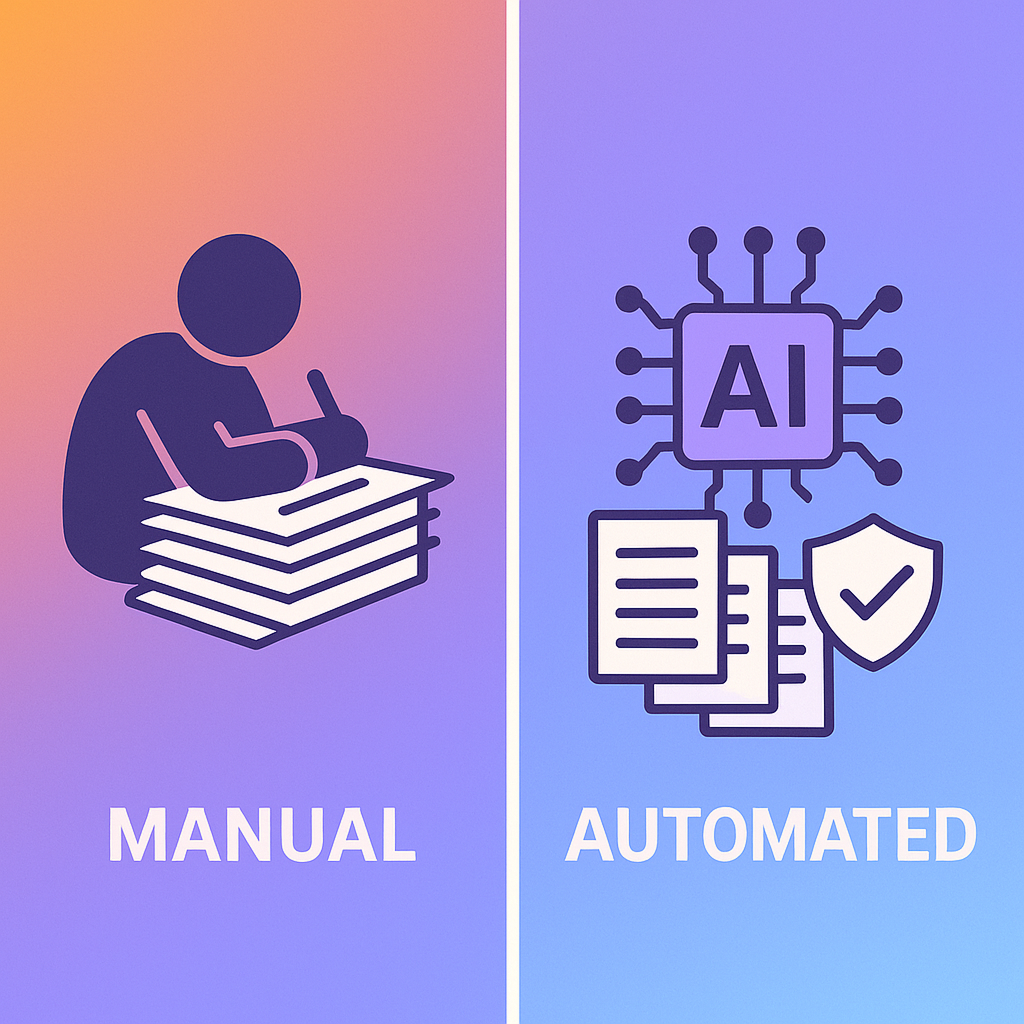
Manual vs. Automated COI Review: What You Gain (and What You Risk) With Each Approach
COI Compliance Scorecard: Where Does Your Process Stand?
Broker Myths: “But Our Broker Handles This…” (and Other Misconceptions)

6 Signs Your COI Process Is Putting You at Risk
5 Trends Shaping the Future of Compliance (and What They Mean for COI Management)

You don't have to understand insurance to be good at compliance.
With Lumie, compliance is covered. So is everyone on your project.

Get The Lantern
.avif)